"Should I exchange now, or wait for a better rate?" It's a question that plagues travelers, investors, and anyone moving money across borders. The frustrating truth is that nobody—not even professional currency traders with sophisticated algorithms—can consistently predict currency movements. Yet this doesn't mean you're powerless. While you can't time the market perfectly, you can make informed decisions that put the odds in your favor. This guide explores practical strategies for timing your currency exchanges.
Accepting the Unpredictable
Let's start with a dose of healthy realism: the foreign exchange market is one of the most complex and unpredictable markets in existence. It processes trillions of dollars in transactions every day, with prices influenced by an almost infinite number of factors—from central bank policies to unexpected political events to the collective psychology of millions of market participants.
Professional currency traders, despite having access to the most advanced tools and information, frequently get their predictions wrong. Hedge funds specializing in currency trading have extremely mixed track records. If the experts struggle, it would be unrealistic to expect that you could consistently time your exchanges perfectly.
This might sound discouraging, but it's actually liberating. Once you accept that perfect timing is impossible, you can focus on strategies that are actually achievable: reducing your risk, avoiding terrible timing, and making decisions that are good enough rather than optimal.
The Power of Monitoring
While you can't predict the future, you can understand the present and recent past. This is where rate monitoring becomes valuable. By tracking your currency pair for several weeks before you need to exchange, you develop crucial context that informs better decisions.
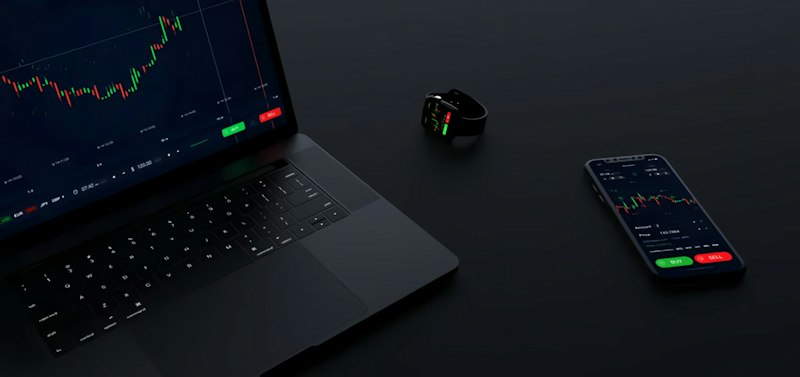
Start by using a tool like SnapExchangeRates to check the current rate and view the 30-day historical chart. This shows you the range within which the rate has been fluctuating. Is the current rate near the top of that range, meaning you're getting a relatively good deal? Is it near the bottom, suggesting you might want to wait if you have flexibility?
This context is especially valuable for larger exchanges. If you're moving thousands of dollars and you notice that the rate is at its lowest point in the past month, waiting a few days or weeks might result in meaningful savings. Of course, rates can always go lower—that's the unpredictability we discussed. But having historical context at least helps you avoid exchanging at what you know to be a poor rate relative to recent history.
Understanding the Update Schedule
A practical consideration that many people overlook: when are exchange rates actually updated? This varies depending on where you're getting your rates.
The reference rates shown on SnapExchangeRates come from the European Central Bank and are updated once per business day at approximately 16:00 Central European Time. This means that on weekends and European holidays, you'll see Friday's (or the last business day's) rate. It also means that if you're in the Americas and checking rates in the morning, you might still be seeing yesterday's rate until the ECB publishes new figures.
Understanding this schedule helps you avoid confusion. If you see a rate on Friday evening and it's still the same on Saturday morning, that doesn't mean rates are stable—it simply means no new reference rate has been published. When markets reopen on Monday, there could be a significant jump in either direction reflecting weekend developments.
If you're working with a bank or currency exchange service, ask them how often they update their rates. Some update continuously during business hours; others might use a rate set at the beginning of the day or update only periodically.
The Cost of Waiting Too Long
There's a psychological trap that catches many people: the endless wait for a "better rate." They see the current rate, decide it's not quite good enough, and wait. Then they check again later and it's moved unfavorably, so they keep waiting, hoping it will come back. Sometimes it does. Sometimes it doesn't.
The cost of this endless waiting isn't just the potential for worse rates—it's also the stress and mental energy consumed by constantly monitoring and second-guessing yourself. At some point, you need to make a decision and move on with your life.
A good framework is to set decision criteria in advance. Tell yourself: "I'll exchange if the rate reaches X, or I'll definitely exchange by date Y regardless of the rate." This prevents paralysis and ensures you make a timely decision. Remember that a guaranteed acceptable rate today is often better than a possibly better rate in an uncertain future.

Dollar-Cost Averaging for Larger Sums
If you need to exchange a substantial amount of money and have some flexibility in timing, consider a strategy borrowed from investment management: dollar-cost averaging. Instead of exchanging everything at once, split your exchange into several smaller transactions spread over time.
For example, if you need to convert 10,000 dollars to euros for a property purchase in three months, you might exchange 2,500 dollars per month. This way, you're not betting everything on a single rate. Some exchanges will be at better rates, some at worse, and your average rate will fall somewhere in between.
This strategy reduces the risk of extremely bad timing without requiring any prediction ability. It's particularly valuable in volatile markets or when you're dealing with amounts significant enough that a few percentage points matter.
The tradeoff is that you might also miss out on extremely good timing. If rates were favorable on your first exchange and then deteriorated, you'd have been better off exchanging everything upfront. But since we've established that you can't predict which scenario will occur, dollar-cost averaging provides a prudent middle ground.
Avoiding Obviously Bad Timing
While perfect timing is impossible, there are some obviously bad times to exchange that you can and should avoid. The most common is the "desperate last-minute exchange"—whether at an airport, hotel, or any other place where your urgency gives the exchanger pricing power.
Plan ahead so you're never in a position where you must exchange immediately at whatever rate is offered. If you're traveling, either exchange some currency before you leave or ensure you have cards and ATM access that will give you reasonable rates upon arrival. If you're making a large financial transaction, build in buffer time so that an unexpected rate move doesn't force your hand.
Also be aware of major known events that could cause volatility. Central bank meetings, major elections, scheduled economic announcements—these can all cause significant rate movements. If you have a choice, exchanging before such events (when the outcome is uncertain) might add unnecessary risk. Of course, sometimes rates move favorably after these events, but avoiding unnecessary volatility is generally wise for non-speculative exchanges.
The Emotional Element
Currency exchange decisions often carry an emotional weight that's disproportionate to their actual impact. People agonize over rates, feel buyer's remorse after exchanging, and kick themselves when rates subsequently move in their favor.
Try to maintain perspective. For most personal exchanges—a vacation's spending money, a remittance to family abroad—the difference between a good rate and a great rate might amount to tens of dollars. That's real money, but it's probably not worth hours of monitoring and stress. Make a reasonably informed decision, execute it, and move on.
For larger sums where the stakes are higher, use the strategies we've discussed: monitor in advance, use dollar-cost averaging if appropriate, avoid obviously bad timing, and set clear decision criteria. Then accept that you did your best with imperfect information.
After all, exchange rate movements are just one of countless variables in your financial life. Spending too much energy optimizing this one factor can distract from bigger-picture financial decisions that matter far more in the long run.
Frequently Asked Questions
Is there a best day of the week to exchange currency?
There's no consistently best day. However, rates can be more volatile on Mondays (reacting to weekend news) and Fridays (position squaring). Mid-week tends to be calmer. For most people, the day-of-week difference is minimal compared to broader trends.
Should I wait for a better exchange rate?
If you have flexibility, monitoring rates for 2–4 weeks before exchanging can help you identify favorable windows. However, trying to time the market perfectly is unrealistic. A good strategy is to exchange when the rate is in the upper range of recent history.
What is dollar-cost averaging for currency exchange?
Instead of exchanging all your money at once, split it into several smaller exchanges over days or weeks. This averages out rate fluctuations and reduces the risk of exchanging everything at a temporarily unfavorable rate. It's especially useful for large amounts.
Do seasonal patterns affect exchange rates?
Some currencies show mild seasonal patterns—for example, tourist-heavy destinations may see their currencies strengthen during peak travel seasons. However, macroeconomic factors far outweigh seasonal effects. Use seasonal awareness as one input, not your primary strategy.