Asia stretches from the Middle East to the Pacific, encompassing an extraordinary diversity of economies, cultures, and currencies. For travelers, this diversity means that money management strategies that work perfectly in one country may fail completely in the next. Japan's cash-loving culture differs dramatically from China's mobile payment revolution. The strong Singapore Dollar contrasts sharply with currencies that offer thousands of units per Dollar. This guide will prepare you for the unique currency challenges and opportunities across Asia's most popular destinations.
Japan and the Japanese Yen
Japan surprises many visitors with its heavy reliance on cash. Despite being a technological powerhouse, Japanese society still runs largely on physical currency. Many restaurants, shops, and services—especially outside major tourist areas—are cash-only or strongly prefer cash payment.
The Japanese Yen (JPY) trades at roughly 100-150 Yen per US Dollar, meaning prices involve larger numbers than you might be accustomed to. A coffee might cost ¥400, a nice dinner ¥3,000, a hotel room ¥15,000. Once you adjust to adding roughly two zeros compared to Dollar amounts, the mental math becomes natural.
Obtaining Yen is straightforward but requires planning. ATMs at 7-Eleven convenience stores (found everywhere in Japan) reliably accept international cards and offer reasonable fees. However, many Japanese bank ATMs don't accept foreign cards at all. Airport exchange services have notoriously poor rates, so the 7-Eleven ATM strategy upon arrival is recommended.
Credit card acceptance has improved in recent years, particularly for Visa and Mastercard, but remains patchy outside major hotels, department stores, and tourist-oriented businesses. American Express is less widely accepted. Plan to carry more cash than you might in Europe or North America.
Southeast Asia: Thailand, Vietnam, and Indonesia
Southeast Asia offers tremendous value for American travelers, with currencies that provide favorable exchange rates and low prices by Western standards. However, each country has its own currency and quirks to navigate.
Thailand's Baht (THB) is relatively stable and offers good value. The country has excellent ATM infrastructure, though most ATMs charge a flat fee of around 200-220 Baht (about $6-7) per withdrawal regardless of amount. To minimize the impact of these fees, withdraw larger amounts less frequently. Credit cards are widely accepted in cities and tourist areas but less so in rural regions or at street vendors and markets.
Vietnam uses the Đồng (VND), which trades at roughly 24,000 to the Dollar—meaning you'll frequently deal with transactions in hundreds of thousands or even millions of Đồng. A million Đồng sounds like a fortune but equals only about $40. Vietnam remains more cash-dependent than Thailand, and many businesses display prices in both Đồng and USD. Be cautious when prices are quoted in Dollars, as the exchange rate applied may not favor you.
Indonesia's Rupiah (IDR) similarly involves large numbers, with exchange rates around 15,000-16,000 per Dollar. Bali and major cities have good ATM coverage and increasing card acceptance, but outer islands may be heavily cash-dependent. Always have backup cash when venturing beyond main tourist circuits.
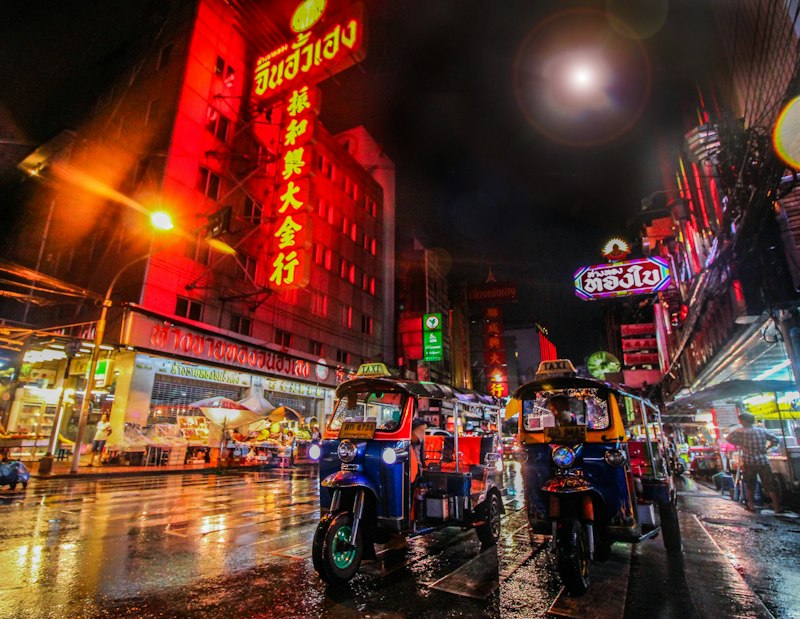
China and the Transformation of Money
China has undergone a remarkable transformation in how money works. The Chinese Yuan (CNY), also called the Renminbi (RMB), is the official currency, but the way it's used has changed dramatically. Mobile payment platforms—primarily Alipay and WeChat Pay—have become so dominant that many urban Chinese rarely carry cash at all.
For international visitors, this creates challenges. These payment platforms traditionally required a Chinese bank account to use, effectively excluding tourists from the primary payment method. While this is slowly changing, with some international credit cards now linkable to Alipay, the situation remains complex and varies by region.
Cash remains functional in China, but finding businesses that handle it easily can be surprisingly difficult—some vendors literally don't have change because they so rarely deal with cash. ATMs are available but may have withdrawal limits and fees. Major hotels and tourist-oriented businesses generally accept international credit cards.
The takeaway: research the current payment situation before visiting China, as it evolves rapidly. Have multiple payment methods available, including some cash, and be prepared for a more complex money management experience than in most other destinations.
Singapore and Hong Kong: Financial Hubs
Singapore and Hong Kong represent Asia's premier financial centers, and both offer relatively straightforward currency experiences for visitors. The Singapore Dollar (SGD) and Hong Kong Dollar (HKD) are stable, well-managed currencies with excellent financial infrastructure.
Singapore is expensive—one of the world's most costly cities—but also supremely efficient. Card acceptance is nearly universal, ATMs are everywhere, and everything works smoothly. The Singapore Dollar is a strong currency, trading at around 1.3-1.4 to the US Dollar, so prices in SGD will be similar to (or higher than) what you'd expect in the US.
Hong Kong pegs its Dollar to the US Dollar within a narrow band (around 7.75-7.85 HKD per USD), making conversion math simple and predictable. The city is a shopper's paradise with excellent card acceptance and countless money changers if you need cash. Despite political changes in recent years, Hong Kong's financial infrastructure remains world-class.
Both cities are excellent choices for first-time Asia travelers—they combine Asian culture with Western-style financial convenience, easing the transition for those new to the region.
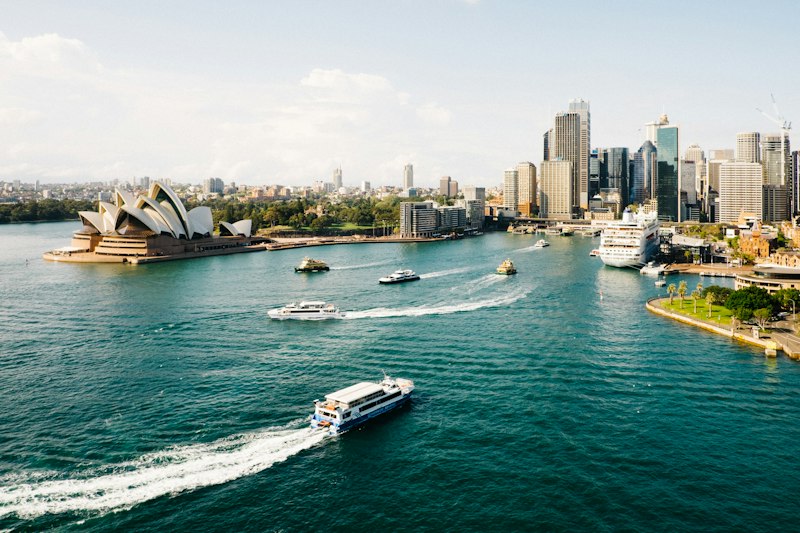
India and the Indian Rupee
India presents unique currency challenges and opportunities. The Indian Rupee (INR) trades at approximately 83 per US Dollar, offering excellent value for travelers—though India's lower prices are partly offset by greater complexity in navigating daily transactions.
Cash is still essential in India, particularly outside major cities and upscale establishments. However, mobile payments through apps like Paytm and Google Pay have grown explosively, and many vendors who once were cash-only now prefer digital payments. Whether this helps international visitors depends on whether you can set up these apps with your cards and phone number.
ATMs are widespread in cities but may have reliability issues. It's not uncommon to visit several ATMs before finding one that's functioning and accepts your card. State Bank of India and HDFC Bank ATMs tend to be most reliable for international cards. Withdrawal limits are often lower than in Western countries, potentially requiring multiple withdrawals.
Street exchange rates and informal money changers should be avoided in India. Stick to bank ATMs and authorized exchange counters. And be aware that some older or damaged notes may be refused by vendors, particularly larger denominations—inspect any cash you receive.
General Tips for Asian Travel
Several principles apply across Asian destinations. First, research each country's specific payment landscape before arrival—assumptions that work in one country may fail in another. Second, always have some local cash available, even in increasingly digital societies. Third, use ATMs from major banks rather than standalone machines, which may charge higher fees or have security risks.
A multi-currency card from providers like Wise or Revolut can simplify managing multiple Asian currencies. These cards let you hold and convert between currencies at favorable rates, withdrawing from ATMs across the region with lower fees than traditional bank cards.
Finally, embrace the adventure. Navigating unfamiliar currency systems is part of the travel experience. With preparation and flexibility, money management becomes just another aspect of exploring Asia's incredible diversity.
Frequently Asked Questions
Is Japan really a cash-only society?
While Japan is modernizing, cash is still king in many situations. Smaller restaurants, temples, rural areas, and local shops often don't accept cards. Always carry sufficient Yen cash, especially outside Tokyo and Osaka. 7-Eleven ATMs reliably accept international cards.
Which Asian countries accept US Dollars?
Cambodia widely uses USD alongside the Riel. Tourist areas in Thailand, Vietnam, and the Philippines may accept Dollars but at poor rates. For the best value, always use local currency obtained from ATMs or reputable exchange services.
Are fintech cards like Wise useful in Asia?
Yes, multi-currency fintech cards work well across most Asian destinations. They offer near mid-market rates and are accepted at card terminals in cities. However, always carry local cash as backup since many Asian countries remain heavily cash-dependent.
How do I avoid ATM scams in Southeast Asia?
Use ATMs inside banks or reputable shopping centers rather than standalone street machines. Check for signs of tampering before inserting your card. Always decline Dynamic Currency Conversion. Set daily withdrawal limits with your bank and monitor transactions.