You land in Bangkok, pull out your phone, and see that dinner costs 450 Baht. Is that expensive? Cheap? You have no idea—and that uncertainty follows you across every Asian country where the denominations, decimal points, and spending norms differ wildly from home. This is not a country-by-country overview (see our comprehensive Asian currency guide for that). Instead, this guide gives you the day-to-day essentials: how to think in local currency, what to carry, and how to avoid the mistakes that cost travelers real money.
The Denomination Cheat Sheet
Asia's currencies span an enormous range, and the sheer size of numbers can be disorienting. Here are the quick mental math shortcuts that experienced travelers use. For Japanese Yen: drop two zeros and you have a rough Dollar equivalent (¥1,500 ≈ $10–12). For Thai Baht: divide by 35 (฿350 ≈ $10). For Korean Won: drop three zeros and multiply by 0.75 (₩15,000 ≈ $11). For Vietnamese Dong: drop four zeros and multiply by 4 (₫500,000 ≈ $20). For Indonesian Rupiah: drop four zeros and multiply by 6 (Rp150,000 ≈ $9).
These shortcuts are not perfectly accurate—they cannot be, since rates fluctuate—but they give you instant ballpark figures that prevent you from overpaying. Write them on a small card in your wallet until they become second nature. After two or three days in any country, you will find yourself converting prices automatically.
What to Carry: The Asia-Specific Money Kit
The standard travel money advice—bring a no-fee card and use ATMs—needs modification for Asia. In Japan, only specific ATMs (7-Eleven, Japan Post) reliably accept foreign cards. In Vietnam, ATM withdrawal limits can be as low as 2 million VND per transaction (about $80), forcing multiple withdrawals and multiple fees. In parts of Indonesia outside Bali, ATMs may be scarce or out of cash entirely.
Build your Asia money kit around three layers: a primary no-foreign-transaction-fee credit card for hotels and larger purchases, a debit card from a bank that reimburses foreign ATM fees for cash withdrawals, and a reserve of USD cash (new, crisp $50 or $100 bills) as emergency backup. In many Asian countries, US Dollars can be exchanged at local money changers at competitive rates—but only if the bills are in pristine condition. Torn, marked, or old-series notes are routinely rejected.
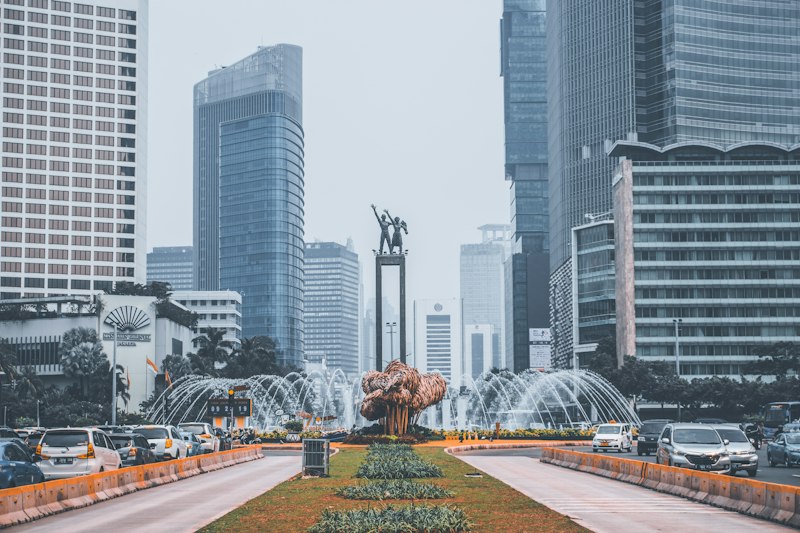
The Cash Culture Spectrum: From Cashless Seoul to Cash-Only Luang Prabang
South Korea and Singapore represent Asia's cashless frontier. In Seoul, you can pay for subway rides, convenience store snacks, and restaurant meals with a tap of your phone or card. Singapore is equally advanced. If your trip is limited to these destinations, cash is a backup rather than a necessity.
Japan occupies a paradoxical middle ground—technologically advanced but deeply attached to cash. While Tokyo's major stations and department stores accept cards, the izakaya around the corner, the ramen shop, and the temple admission booth almost certainly do not. Plan to carry ¥10,000–20,000 ($65–$130) at any given time, replenishing at 7-Eleven ATMs as needed.
Southeast Asia—Thailand, Vietnam, Cambodia, Laos, Myanmar—leans heavily toward cash for everyday transactions. Night markets, tuk-tuks, street food stalls, and local buses operate on physical currency. India similarly requires cash for auto-rickshaws, street vendors, and smaller shops, though UPI digital payments are rapidly changing the landscape in urban areas.
The key insight: research your specific destinations within each country. Bangkok's Siam district accepts cards everywhere; Chiang Mai's Sunday Night Market does not. Bali's Seminyak is card-friendly; the Gili Islands run on cash. Match your cash reserves to each leg of your itinerary.
Practical Tips to Avoid Losses and Scams
Currency scams targeting tourists exist across Asia, though they are generally avoidable with basic awareness. The most common involves receiving incorrect change, particularly in countries with large-denomination notes that all look similar. Count your change carefully, especially in busy markets or when paying taxi drivers. Familiarize yourself with each currency's banknote designs before you need to handle them under pressure.
Exchange rate scams are another concern. Some unlicensed money changers—particularly common in tourist areas of Bangkok, Bali, and Ho Chi Minh City—advertise attractive rates but manipulate the count using sleight of hand or rigged calculators. Use only licensed exchange offices or bank ATMs. If a rate seems too good to be true, it almost certainly is.
Dynamic Currency Conversion remains a universal trap. Throughout Asia, payment terminals and ATMs will offer to charge you in US Dollars instead of the local currency. As recommended in our Smart Traveler's Guide to Currency Exchange, always decline this offer and pay in the local currency. The DCC rate includes a markup set by the merchant's or ATM operator's processor—money that goes to them, not to you.

Your Asian Travel Currency Action Plan
Before departing for Asia, prepare with these essential steps. Check current exchange rates on SnapExchangeRates for every currency on your itinerary. Obtain a credit or debit card with no foreign transaction fees—this is non-negotiable for international travel. Research the cash culture of each destination: Japan and Southeast Asia require more cash than South Korea or Singapore. Download or bookmark SnapExchangeRates for quick access to conversion tables during your trip.
Upon arrival, withdraw local currency from a reputable ATM—7-Eleven in Japan, bank ATMs elsewhere—in amounts large enough to cover two to three days of expenses. Pay in local currency everywhere, declining all DCC offers. For multi-country trips, a multi-currency fintech card simplifies managing multiple currencies from a single account.
Asia offers some of the world's most rewarding travel experiences, from the temples of Kyoto to the beaches of Thailand to the street food of Vietnam. With smart currency management, you can ensure your budget stretches further and your focus stays on the adventure. Check SnapExchangeRates for the latest ECB reference rates and historical data.
Frequently Asked Questions
How do I handle large denomination currencies like JPY or KRW?
Use simple mental shortcuts: for Yen, drop two zeros for a rough USD estimate (1,500 JPY ≈ $10). For Korean Won, divide by 1,300. For Indonesian Rupiah, divide by 15,000. SnapExchangeRates' conversion tables show exact values for common amounts.
Which Asian countries are most card-friendly?
South Korea and Singapore lead in cashless adoption, with contactless payments accepted almost everywhere. Japan's cities are increasingly card-friendly but rural areas remain cash-heavy. Thailand, Vietnam, and Indonesia still rely heavily on cash outside major hotels and restaurants.
Should I use a multi-currency card for a multi-country Asia trip?
Yes, a multi-currency card from Wise or Revolut is ideal for multi-country trips. You can hold and convert between multiple Asian currencies at near mid-market rates, avoiding the need to carry large amounts of different cash currencies.
What is the biggest money mistake travelers make in Asia?
Accepting Dynamic Currency Conversion at ATMs and payment terminals. When offered the choice, always pay in the local currency. The second biggest mistake is using airport or hotel exchange counters instead of bank ATMs, which typically offer noticeably better rates.